
The real path of profit-sharing traders: different methods, why can they all move towards stability?
- 2026年2月26日
- Posted by: Eagletrader
- Category: News
The new year is about to begin, and everything will be renewed. EagleTrader would like to say a happy new year to all traders who are still insisting on executing in the market – may the new year bring clear trading, stable rhythm and upward curve.
There is never a unified answer to this road of trading. Some rely on discipline, some rely on structure, some learn to survive from losses, and some build stability through long-term execution.
In the past year, we have had in-depth discussions with many traders from very different backgrounds. The paths are different and the methods are different, but they ultimately go in the same direction: forming a sustainable trading system.
At such a time of saying goodbye to the old and welcoming the new, summary and calibration are often more important than prospects, and the same is true for transactions. Taking this time, we compiled the most authentic trading methods of three traders. Perhaps you will find that the methods may be different, but the underlying logic of stable transactions is highly consistent.
Dong Xinyu: The person who wrote “lose less” into the rules
Trading type: intraday minute-level subjective trend trading

When Dong Xinyu was interviewed for the first time, he repeatedly mentioned a number: 0.5%. This is the maximum loss he is allowed to take on a single trade. No matter how optimistic the market is, as long as the stop loss is triggered, you must leave the market.
He is a typical subjective trader, and the biggest trap of subjective trading is “this time is different.” Dong Xinyu used rules to lock in this impulse: to lose quantity. First determine the maximum tolerable loss, and then reverse the position. No matter how attractive the market is, the position must match the stop loss – he calls it “putting a halter on desire.”
<img alt="" src="https://www.hudianbaoseo.cn/uploads/allimg/20260226/1772069532101241.jpg" width="654" height = 436Mainly, don’t buy the bottom or hit the top
Positions are risk-based, you can add positions but have independent risk control
Fix hard stop loss, and leave the market subjectively early when necessary
He admitted that his winning rate is not high, but this is an active choice of “low winning rate + high profit-loss ratio”. For him, stability comes from “losing little, not winning much.”
Su Huahan: Use trend lines to draw “speed bumps” for yourself
Trading type: Swing trend trading
<img alt="" src="https://www.hudianbaoseo.cn/uploads/allimg/20260226/1772069535643763.jpg" width="654" height = 489 The market has not changed, what has really changed is the rules.
In real trading, he is prone to quick success; but in an environment with risk control boundaries and retracement restrictions, he is forced to perform correct actions.
His trading is extremely simple: only trend lines. But for him, the trend line is not a prediction tool, but a “speed bump”, forcing him to only do the bands with clear trends and actively give up short-term games.
He knew his own disadvantage – his reaction speed was not as fast as that of professional traders, so he chose to trade time for space and hold orders. In terms of positions, he always retains a safety factor, just like the margin reserved in engineering design: if you look in the right direction, you can hold it, but if you look in the wrong direction, it will not be fatal.
For him, stability comes from rules restraining human nature.
Li Shuailong: Reduce variables in exchange for stable people
Trading type: Systematic swing trading

In Li Shuailong’s trading system, the core is not predicting the market, but long-term consistent execution. He made his trading structure more stable by reducing variables:
Fixed the lot size for a long time and did not expand the position with profits and losses
Often only trade in one direction to reduce judgment interference
Analyze and trade at a fixed time, and do not excessively monitor the market after holding the position
Use structural failure as the basis for exiting the market, rather than taking profits emotionally
This method reduces human intervention and makes transactions closer to system execution.
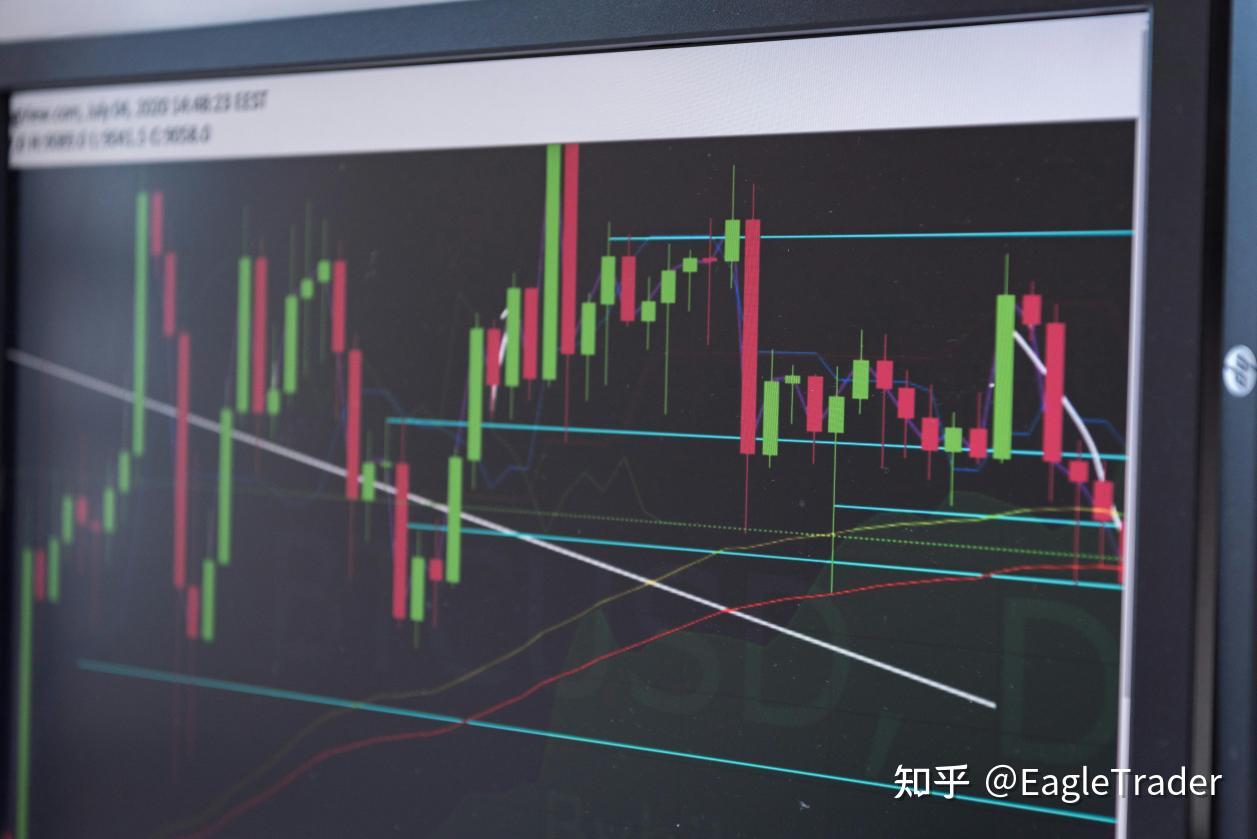
In terms of risk management, he sets stop loss at key structural positions instead of making subjective decisions based on the amount of losses. The risk boundary is always clear. With the accumulation of experience, his focus has shifted from “how much you can make” to “how much you can lose when you make a mistake”. As long as the risk is controllable, execute! His trading does not pursue explosions, but it is easier to form a stable and replicable long-term rhythm.
<img alt="" src="https://www.hudianbaoseo.cn/uploads/allimg/20260226/1772069538941884.jpg" width="654" height = 436 The rhythm can be different, but stable trading is often based on a similar basis: first keep the risk limit, and then pursue long-term growth.
The essence of trading is never to predict the market, but to manage yourself. When risks are controlled and behavior is repeatable, profit is only the result of time. I hope that every trader who is still on the road can slowly move toward stability on his own path.