
Why are leading brokerages doing proprietary trading? Ordinary people have more opportunities than you think
- 2026年6月23日
- Posted by: Eagletrader
- Category: News
If you clearly have an effective trading strategy, but you are always limited by the size of your funds. When operating with a short position, the profit is limited; if you want to enlarge the position, you are worried that a retracement will erase all the previous results. In the long run, trading capabilities may be improving, but account size will always be difficult to break through.
In fact, this dilemma is not uncommon. For most traders, it is not the strategy itself that limits development, but capital, risk tolerance, and the lack of a systematic growth path.
As more and more institutions begin to pay attention to proprietary trading, this situation is changing.
When institutions begin to pay for trading capabilities
In recent years, proprietary business has become one of the fastest growing businesses in the securities industry. More and more securities firms continue to increase investment in self-operated teams and trading talents, and trading capabilities are becoming an important part of institutional competitiveness.
The reason is not complicated. Compared with traditional businesses that rely on market conditions, proprietary trading can find opportunities in different market environments through asset allocation, quantitative strategies, arbitrage, risk management, etc., and create a more stable source of income for institutions.
In a sense, institutions’ emphasis on proprietary business is essentially redefining the value of trading capabilities.
In the past, excellent traders could only rely on personal funds to grow; but now, more and more institutions are willing to provide financial support for stable profitability, making trading ability itself an asset that can be amplified.
What problems does self-operated trading solve for traders?
For individual traders, the greatest value of the self-operated model is not just financial support.
First of all, it is to reduce the cost of trial and error.
Many traders have good strategies, but they dare not fully verify them because of limited funds. In the self-operated mode, traders use institutional funds to trade without having to bear all the financial pressure and can focus more on improving the trading system.
Secondly, it is to develop real trading discipline.
Many losses in the market do not come from failed strategies, but from issues such as emotional operations, heavy position trading, and holding orders without stopping losses. Self-operated systems usually set clear risk control rules to help traders establish more standardized execution habits through daily loss limits and account drawdown management.
More importantly, excellent trading skills can obtain greater financial support.
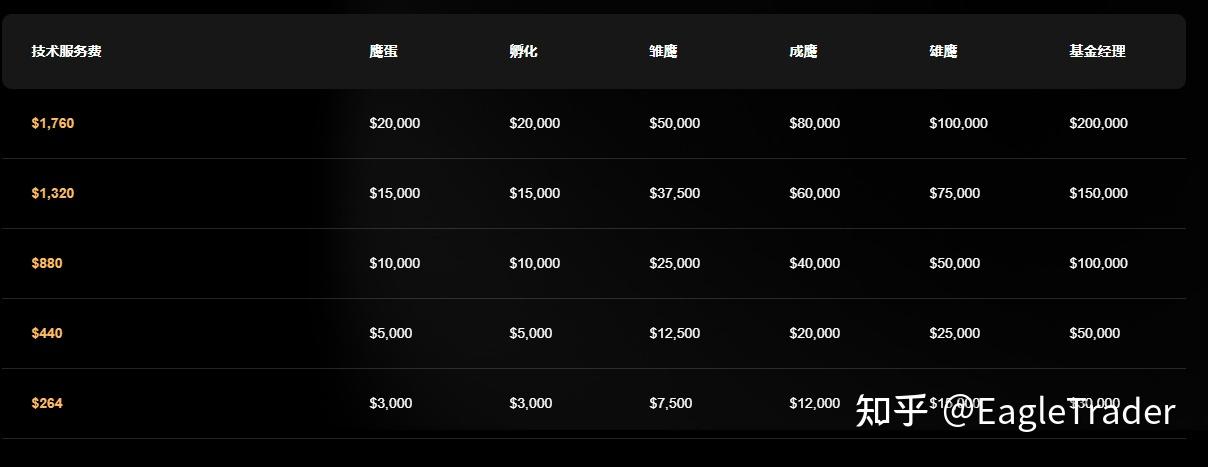
For personal accounts, even if the rate of return is good, it is still subject to the limitation of capital size. When traders can manage larger amounts of funds, the profit margin corresponding to the same rate of return will be significantly improved.
Therefore, the cost of self-operated trading assessment. We are not simply looking for short-term profit makers, but looking for people who can stably execute the trading system in the long term.
From individual traders to professional traders
In the past, entering the institutional trading department required academic background, industry resources and experience, and it was difficult for ordinary traders to get opportunities.
Nowadays, with the development of the self-operated trading model, a kind of A more open selection mechanism is gradually becoming more popular – self-operated trading examination.
Through the simulated account assessment, the platform will focus on assessing traders’ profitability, risk control level and trading discipline, rather than academic qualifications or resumes. As long as they can prove their trading ability, they will have the opportunity to obtain institutional financial support.
This is also a good thing for many people who insist on trading for a long time. It provides a new path for professional development.
Give trading ability a bigger stage
As the first platform in China to launch a localized proprietary trading assessment system, EagleTrader is committed to providing traders with a clearer and more standardized growth path.
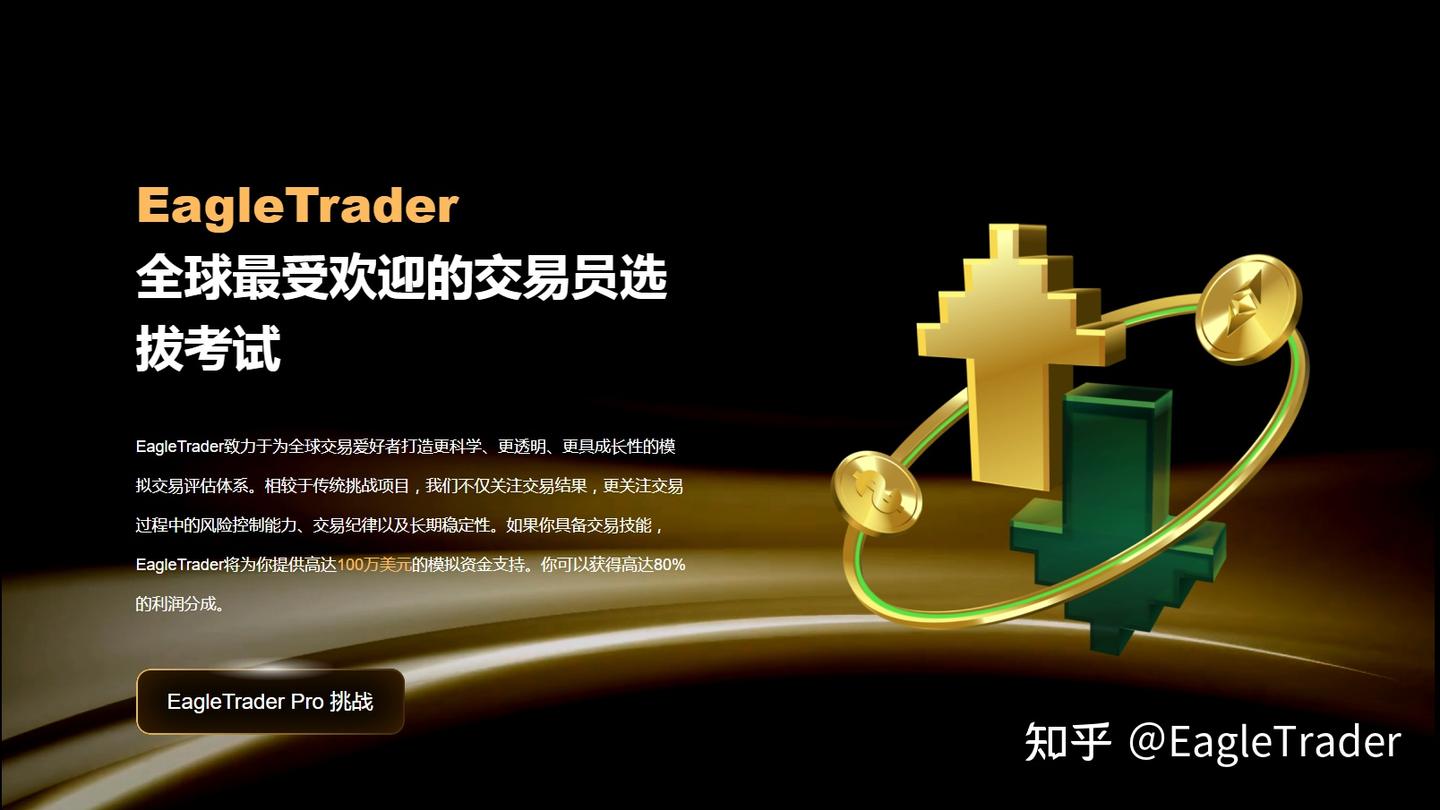
While focusing on profit performance, the entire assessment also pays more attention to risk control and transaction stability, helping traders to establish more mature transactions through staged goals and risk control mechanisms.
After passing the assessment, traders can obtain corresponding profit sharing qualifications, and outstanding traders can enjoy up to 80% of profit sharing, achieving simultaneous improvement in trading ability and income level.
For many participants. The value of the assessment lies not only in the final pass, but also in the continuous training of position management, risk control and execution discipline throughout the process.
The market has never lacked people who can place orders, but what it lacks is people who can make long-term and stable profits. With single orders, ordinary traders also have new opportunities to enter the professional track.
The proprietary trading examination provides not only a financial support, but also a professional growth system that helps traders verify strategies, establish discipline, and achieve greater improvement in trading abilities in a real market environment.Room to play.
If you already have a mature trading system, but are limited by the size of your funds and cannot make further breakthroughs, then proprietary trading may be an important step between individual traders and professional traders. More knowledge about proprietary trading is still being shared. If you are interested, please follow us!